Perimenopause Isn’t a Problem to Fix—It’s a Transition to Support
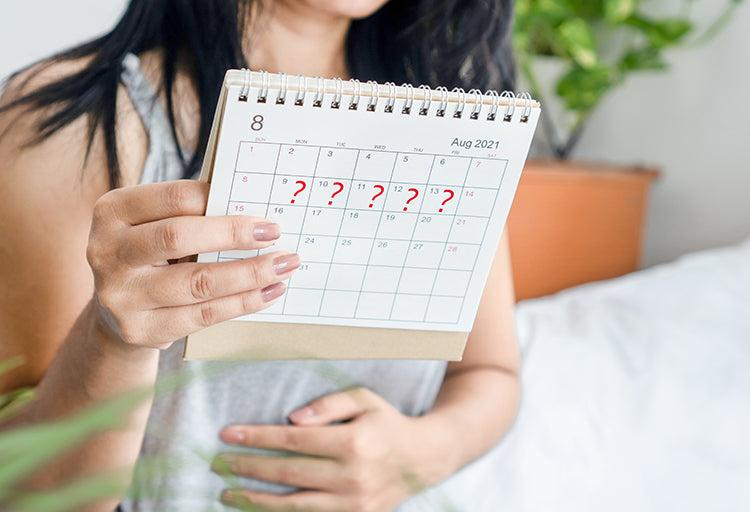
Perimenopause has a quiet way of arriving. For many women, it doesn’t begin with dramatic hot flashes or obvious hormonal shifts. It starts subtly (often in the mid to late 30s) with tiny whispers that are easy to dismiss as stress, burnout, or just “a busy season of life.”
But underneath those small shifts, your body is beginning a natural transition, and the way we move through it matters.
What Is Perimenopause, Really?
Perimenopause is the phase leading up to menopause, when hormone patterns begin to shift – sometimes gradually, sometimes unpredictably.
Estrogen fluctuates. Progesterone slowly declines. This creates a ripple effect across the entire body: sleep, mood, digestion, energy, and cycle patterns.
From a clinical standpoint, this is completely normal. However, culturally, we’ve been taught to view it differently. We’re taught that it means that we are old, useless hags and it is something to prevent, delay, or “fix” as quickly as possible.
That mindset is where many women begin to feel disconnected from their bodies.
Early Signs of Perimenopause (That Often Get Missed)
These early shifts are often subtle—but they’re meaningful:
- Shorter menstrual cycles (your period coming earlier than expected)
- Lighter or occasionally heavier bleeding
- Increased anxiety or mood changes, especially before your period
- Sleep disruption (waking between 2–4am, lighter sleep)
- Brain fog or difficulty concentrating
- Breast tenderness or increased PMS symptoms
- Feeling more overwhelmed by things that once felt manageable
It’s easy to ignore these signs, brushing them off and saying “Oh, it’s just stress.”
But if you zoom out over a longer period of time and look at these individual signs as a pattern, the puzzle pieces fit together more clearly.
This Isn’t the Loss of Youth
One of the most harmful narratives around perimenopause is that it marks the beginning of decline. Women have been taught for a very long time that our value is tied to being young and beautiful. When we start to enter menopause, its almost like our value starts depreciating. I even had a conversation with a woman a couple of years ago who said “I could never vote for that menopausal woman to be president”.
I shit you not. She actually said that, and it made me very sad. Not because of my political beliefs, but because a woman looked at another woman and said that she was unfit for a leadership role because of her changing hormones.
We also compare menopause to our bodies physical functioning declining. Biologically—and from a more integrative perspective—that’s not what’s happening.
This phase is a recalibration.
Your body is shifting from a reproductive-focused system into a more conservation-focused one.
It’s asking for:
- More rest
- More nourishment
- More intentional (often slower) rhythms
Not because it’s failing, but because it’s evolving.
A Different Lens: Traditional Chinese Medicine
In Traditional Chinese Medicine, perimenopause is viewed through the lens of Kidney energy, Yin, and Blood.
Without getting overly technical, here’s what that means:
- Kidney energy is your foundational reserve—your long-term vitality
- Yin represents cooling, nourishing, and restorative aspects of the body
- Blood supports cycles, grounding, and emotional stability
As women move into perimenopause:
- Yin and Blood naturally begin to decline
- The body becomes more sensitive to stress and overexertion
- Symptoms arise when the body is over-worked and under-supported, not simply because hormones are changing
From this perspective, perimenopause isn’t something to suppress. It’s a sign that it is time to shift our mindset, and adjust our habits to support our health in a different way.
Why “Pushing Through” Stops Working
The habits that may have worked in your 20s and early 30s often become harder to sustain:
- Running on minimal sleep
- Skipping meals or under-eating
- High-intensity workouts without recovery
- Constant productivity without pause
During perimenopause, these patterns tend to amplify symptoms. Not because you’re doing something wrong, but because your body now has different needs. This is where many women feel frustrated.
“I haven’t changed anything—why do I feel worse?”
Because your body has changed. Your body is not the same at 34 as it was at 28. These perimenopause symptoms are its way of asking you to change with it.
Supporting Perimenopause: A More Sustainable Approach
Instead of trying to override symptoms, the goal becomes supporting the systems underneath them.
1. Stress & Nervous System Support
Hormonal changes increase sensitivity to stress.
Focus on:
- Slower mornings when possible
- Time outdoors and natural light exposure
- Gentle movement (walking, yoga, stretching)
- Creating moments of quiet in your day
Even small habit changes here can have a meaningful impact.
2. Sleep as a Foundation
Sleep disruption is one of the earliest and most common signs.
Support it with:
- Consistent sleep and wake times
- Reducing stimulation in the evening
- Warm, quiet, grounding routines (tea, reading, dim lighting)
- Limiting late-night work or screen exposure
Think of sleep as treatment, not a luxury.
3. Nourishment Over Restriction
Your body becomes less resilient to depletion. You. Need. To. Eat.
Support Blood and Yin with:
- Warm, cooked meals
- Iron-rich and mineral-rich foods
- Healthy fats for hormone production
- Regular, protein-rich meals to stabilize energy and mood
This is not the time for extreme diet trends – I’m looking at you 80’s and 90’s gals!
4. Digestion as the Center
In TCM, digestion (the “Spleen”) is central to energy production.
When digestion is supported:
- Energy improves
- Hormone balance becomes more stable
- Mood feels more grounded
Simple practices:
- Eat meals in a relaxed state
- Avoid rushing or multitasking while eating
- Favor warm foods over cold/raw when digestion feels weak
- signs of weak digestion are gas, bloating, loose stools, diarrhea, or constipation
5. Gentle, Consistent Movement
Movement should support—not deplete.
Shift toward:
- Walking
- Strength training with adequate recovery
- Pilates or yoga (I just did my first pilates workout today and let me tell you – it’s a damn good workout)
- Less intensity, more consistency
Your body responds better to rhythm and consistency than extremes. I’m not saying don’t lift heavy, I firmly believe that every woman should incoporate heavy weight lifting into their fitness routine. Just make sure that you are allowing your body enough time to recover between workouts.
You Don’t Need to Fight This Phase
Perimenopause is not something to prevent, it’s not something to push through, and it’s not something to fix.
It’s a transition that asks for:
- Awareness
- Adjustment
- Support
When you begin to work with your body instead of against it, you WILL feel better.
Symptoms feel less confusing, your energy becomes more stable, and you feel more connected to yourself. Most importantly, you start to pick up on the smaller whispers before your body starts screaming at you.